Federal student loan policies, including the elimination of Grad PLUS loans and new borrowing limits, are creating significant barriers to financing graduate education for social work students, directly impacting the future of mental health services. This financial strain threatens to reduce qualified professionals, leaving a critical gap in community mental health crisis services by 2026, according to City & State New York. The nation has established a universal mental health crisis hotline, 988, and mandated 24/7 local services. Yet, systemic barriers, especially workforce shortages, prevent these crucial services from consistently reaching those in need. Without significant policy changes addressing workforce development and local funding, the vision of community-based mental health crisis response will remain unfulfilled. Vulnerable individuals will continue to rely on inadequate interventions, often worsening their crises.
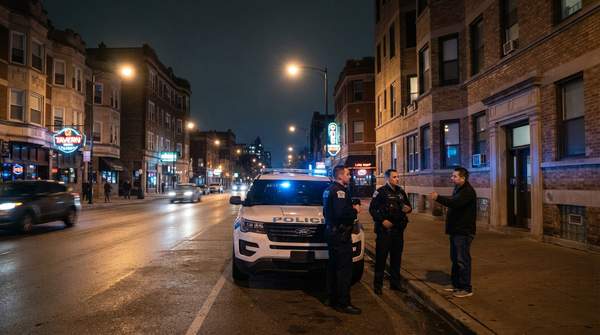
The 2020 National Suicide Hotline Designation Act established 988, a nationwide three-digit number for mental health crises, which became fully operational nationwide in July 2022. This federal law mandates 24/7 emergency mental health services in counties, according to NAMI and Pennsylvania's official website. A key goal of this improved community response is to reduce criminal legal system involvement for those in crisis, as research on PubMed notes. These mandates aim to shift crisis response from law enforcement to specialized care. However, this ambitious system's effectiveness depends entirely on robust local infrastructure and enough trained professionals. A significant gap exists between this aspiration and the resources to achieve it, especially in securing a qualified workforce for round-the-clock demand.
The Shrinking Pipeline: A Workforce in Crisis
Fewer students enroll in Master of Social Work (MSW) programs, directly threatening the future of mental health care. Federal student loan policies, by creating financial barriers for graduate social work education, are shrinking this pipeline, according to City & State New York. This means increased workforce shortages are anticipated across mental health, child welfare, and community services, especially in densely populated areas. Social service organizations already report persistent vacancies and high caseloads. The federal government operates at cross-purposes; its student loan policies directly sabotage the national 988 mental health crisis response system by choking off the supply of trained social workers. This shrinking professional pipeline, driven by financial barriers, undermines the very system the government seeks to establish.