The number of U.S. neighborhoods showing signs of gentrification has exploded sevenfold since the 1970s, transforming hundreds of communities and displacing countless residents. This widespread shift profoundly impacts local economic development and community character, reshaping urban and now suburban landscapes across the nation. This trend signifies a significant challenge to housing affordability and community stability across diverse regions.
Gentrification is often presented as a natural evolution of urban centers, but its rapid expansion actively dismantles established communities and deepens socioeconomic divides, rather than resolving them. This tension reveals a systemic economic force at play, pushing lower-income populations to new frontiers, far beyond initial urban cores.
Without intentional policy interventions, the trend of displacement and cultural homogenization will continue to accelerate, fundamentally altering the fabric of urban life and exacerbating regional inequality and beyond. This calls for a closer examination of the mechanisms driving this change and its far-reaching implications.
The sevenfold increase in gentrified neighborhoods since the 1970s, as reported by the National Community Reinvestment Coalition (NCRC), reveals that gentrification is not a localized issue but a pervasive national trend actively reshaping the socioeconomic fabric of entire regions. The dramatic expansion, escalating from an estimated 246 census tracts in the 1970s to 1,807 by the 2010s, reveals a systemic issue where urban development frequently prioritizes new residents over the stability and tenure of existing communities. For instance, between 1990 and 2015, the number of gentrified neighborhoods in San Diego increased by 18%, according to CrisisHouse. The rapid, widespread expansion indicates a consistent pattern of urban renewal leading to the displacement of original residents, a common outcome highlighted by Investopedia.
How Gentrification Displaces Residents and Alters Culture
Specific actions by landlords and developers directly contribute to the displacement of original residents and the erosion of local identity. Landlords in gentrifying neighborhoods may evict low-income tenants to make way for higher-paying ones, a practice documented by CrisisHouse. The deliberate removal of existing communities is often accompanied by developers converting low-cost housing into high-end units, further reducing affordable housing options, as also noted by CrisisHouse. The direct actions demonstrate how economic incentives drive the systematic dismantling of affordable housing and the cultural fabric of long-established neighborhoods. The consequence of these economic shifts is often the erasure of cultural diversity, leaving behind a homogenized urban landscape, a phenomenon identified by Investopedia. By actively converting low-cost housing and evicting tenants, developers and landlords are not passively responding to market demand but are actively engineering the displacement of original residents, turning community character into a commodity.

Examining Gentrification's Complex Health Effects
While the negative impacts of gentrification are clear, its effects on health are often nuanced and context-dependent. The impacts of gentrification on health vary significantly by the specific health outcome assessed, the method of exposure measurement, context-specific determinants of neighborhood change, and analytical decisions, according to research published in PMC. The research also suggests that neighborhoods undergoing gentrification, urban development, and regeneration likely have both detrimental and beneficial effects on health. While some health outcomes may show varied or even positive effects for certain groups—typically new, higher-income residents or remaining long-term residents who can adapt—the overall picture remains complex. The complexity often masks the significant health stressors faced by displaced or marginalized populations, who may experience increased stress, loss of social networks, and reduced access to essential services in their new locations. The focus on certain health metrics for remaining or incoming populations can inadvertently obscure the overwhelming negative societal impact on those forced to leave their homes and communities.
Beyond Neighborhoods: The Systemic Roots of Gentrification
Gentrification is not an isolated phenomenon but a symptom of larger economic inequalities and the dynamic interplay between urban development and population movement. Contemporary research examines how residential mobility and in situ transformation jointly shape the socioeconomic trajectory of neighborhoods, emphasizing the interplay between rising inequality and urban expansion patterns, according to Nature. Gentrification is not merely a localized change but a symptom of broader economic inequalities and the dynamic interplay between urban development and population movement. The academic shift towards understanding gentrification as an interplay between rising inequality and broader urban expansion patterns suggests its true impact is far more systemic and less localized than commonly perceived, affecting regional demographics and economic stratification on a wide scale. The perspective moves beyond viewing gentrification as an organic process and frames it as an outcome of deeper economic forces.
Gentrification's Expanding Reach into Suburban Areas
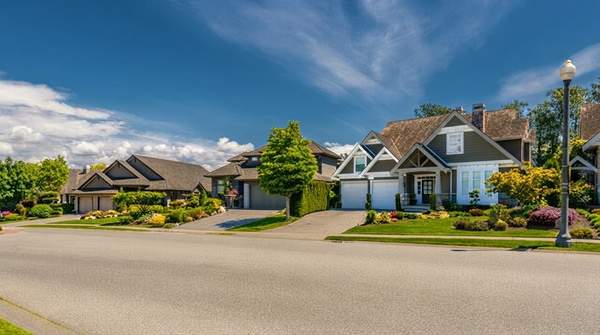
The consequences of unchecked gentrification are projected to extend far beyond traditional urban cores, affecting wider regional housing markets. A study in Amsterdam showed gentrification spilling over into adjacent suburbs, with high-income movers increasing housing costs and causing lower-income groups to move to more affordable suburban zones, as reported by Nature. The study in Amsterdam indicates that policymakers focused solely on urban core revitalization are missing the broader picture: they are merely shifting, not solving, the problem of housing inequality. Without proactive policy, gentrification will continue to push lower-income populations further from urban centers, exacerbating regional housing crises and deepening segregation across entire metropolitan areas. The expansion into suburban areas means that by 2026, many communities previously considered stable and affordable will likely face similar pressures, requiring integrated regional strategies to manage housing affordability and prevent further displacement.