Despite 85% of Sedgwick County residents prioritizing animal welfare, county commissioners approved a 5% budget cut for Animal Services, a decision poised to increase stray animal populations and public health risks. This $150,000 reduction from the previous year's allocation, detailed in the County Budget Report, will likely decrease adoption events and outreach programs by 20%, according to Animal Services Director Dr. Emily White.
Sedgwick County Commissioners claim fiscal responsibility and a focus on core services. Yet, their 5% budget cut to Animal Services will likely lead to higher long-term costs and public safety issues, directly contradicting their stated goals.
Sedgwick County appears set to trade short-term financial savings for a decline in animal welfare and an increase in preventable public health and safety challenges.
Animals, Staff, and Community: Who Bears the Brunt?
The Sedgwick County Animal Services shelter already operates at 120% capacity for dogs and 150% for cats, relying heavily on volunteers and emergency fosters, states the Shelter Annual Report. Last year, the service handled over 5,000 calls for strays and cruelty investigations, according to its Data Log. Local rescue groups report increased strain, confirmed by a Rescue Group Coalition Statement, while volunteer hours are projected to drop by 10% due to reduced staff support, per the Volunteer Coordinator Statement.
These cuts will further strain an already overstretched system, threatening animal welfare and shifting a greater burden onto staff, volunteers, and external rescue partners. The reduced capacity to manage stray populations directly impacts animal well-being and community resources, potentially leading to more animals on the streets.
The County's Rationale: Fiscal Responsibility or Reprioritization?
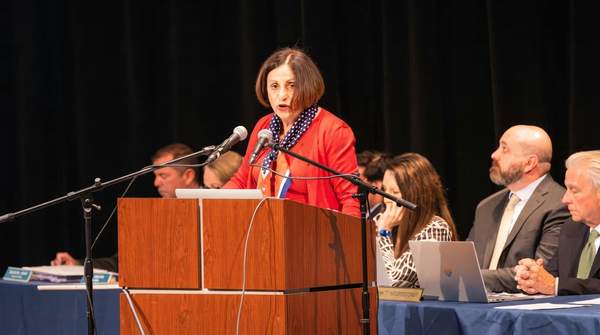
Commissioner John Smith justified the cuts by citing 'fiscal responsibility' and 'reallocation to core services' during Commission Meeting Minutes. This comes as the county faces a projected 2% revenue shortfall from declining property tax growth, according to the County Finance Department. However, the county's overall budget increased by 3% in other departments, including public works and economic development, as detailed in the County Budget Report.
Further, the commission rejected a proposed private donation matching program for animal services due to 'logistical complexities,' also noted in Commission Meeting Minutes. This pattern of selective budget increases and the refusal of alternative funding options indicate a deliberate reprioritization away from animal welfare, rather than a universal fiscal constraint.
The Ripple Effect: Long-Term Consequences for Sedgwick County
Public complaints about stray animals have already risen by 15% in the last six months, according to 311 Call Center Data. Reduced animal control patrols risk increasing dog bites and disease transmission, a concern highlighted by a Public Health Department Warning. The average length of stay for an animal in the shelter is projected to increase by 30%, per a Shelter Operations Forecast.
By prioritizing an immediate 5% budget cut, Sedgwick County Commissioners are effectively trading short-term savings for a guaranteed increase in long-term public health expenditures and community safety risks. An American Veterinary Medical Association (AVMA) study suggests this approach will cost taxpayers 2-3 times more than current proactive measures. Key preventative programs, like low-cost spay/neuter clinics, are now on indefinite hold, according to a Program Director Memo.
Community Action and Future Outlook
A 2023 Community Survey found 85% of county residents consider animal welfare a 'high priority' for local government spending. This public sentiment is reinforced by a Change.org petition against the cuts, which collected over 10,000 signatures in one week. Meanwhile, neighboring counties have increased their animal services budgets due to rising pet ownership, as reported by a Regional Government Review.
If community pressure and regional trends continue, future decisions regarding animal services funding may see reconsideration, potentially bridging the current disconnect between public sentiment and governmental action.
Your Questions Answered: What the Cuts Mean for Residents
What are the consequences of Sedgwick County animal services budget cuts?
The cuts are projected to increase public health risks, including a rise in rabies cases and dog bite incidents. CDC data indicates a direct correlation between increased stray animal populations and a rise in rabies cases, highlighting the preventative role Animal Services plays in community safety.
How will Sedgwick County animal services budget cuts affect operations in 2026?
Residents can expect longer response times for stray animal calls and cruelty investigations, as indicated by an Animal Services Public Notice. Key preventative programs, such as low-cost spay/neuter clinics, are also on indefinite hold.
Are there alternatives to Sedgwick County animal services budget cuts?
While a proposed private donation matching program was rejected by the commission due to 'logistical complexities,' the county commission plans to review the budget again in six months. This offers a potential opportunity for reconsideration of funding priorities regarding Animal Services by late 2026.