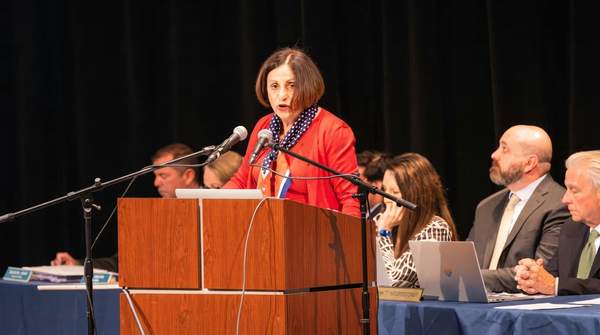
Jersey City is filing an emergency injunction to prevent Hudson Regional Health (HRH) from closing Heights University Hospital, formerly Christ Hospital, on March 14, 2026. The city alleges HRH failed to follow state regulation N.J.A.C. § 8:33-3.2(b) for hospital closures, according to Jerseycitynj. The legal action underscores the urgent challenge local governments face in maintaining vital healthcare services. Closures like this threaten resident access to emergency and specialized medical care.
Local governments are expected to ensure essential services, but often lack control over the private entities or state processes governing them. The lack of control creates a critical tension: public responsibility clashes with limited authority. Communities then face an uphill battle, forced into reactive legal challenges or significant local tax burdens to fill gaps left by private decisions or state oversight. The vulnerability for public welfare is growing across municipalities.
How Do Private Interests Clash with Public Needs?
Hudson Regional Health initially told employees Christ Hospital would close February 28, 2026, according to HPAE. This date conflicted with Jersey City's injunction, which aimed for a March 14, 2026 closure. HRH then informed the New Jersey Department of Health (NJDOH) of a two-week delay, according to Nj. This date conflicted with Jersey City's injunction, which aimed for a March 14, 2026 closure. HRH then informed the New Jersey Department of Health (NJDOH) of a two-week delay, according to Nj. Such inconsistent communication complicated the city's response. HRH's actions show a pattern of unilateral decision-making, forcing the city to react to disregarded community needs and regulatory processes.
Can Local Governments Proactively Secure Essential Services?
In Lawrence, Kansas, city commissioners agree a new fire station is needed in the northwest, according to the Lawrence Journal-World. To fund this, a 3-mill property tax increase is proposed for Fire Station 6. The proposed 3-mill property tax increase for Fire Station 6 contrasts with Jersey City's defensive fight against a hospital closure. Local governments face a critical vulnerability: they either litigate against external threats or burden citizens with taxes to fill service gaps.