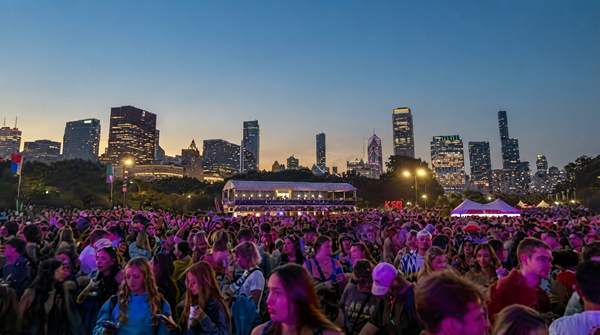
A single local festival can directly stimulate tourism and business growth across an entire region, transforming community fun into a tangible economic boom. As a journalist covering city happenings, I've seen countless vibrant gatherings—from music concerts to farmers' markets—attract visitors who then support local shops, restaurants, and accommodations. This isn't just a ripple; it's a surge of prosperity, making strategic promotion of local events and festivals by 2026 a crucial task for community leaders, according to UMN Extension.
Many communities, however, still view local events primarily as purely social endeavors. While they certainly foster connection, these gatherings are also powerful drivers of both economic growth and civic participation, a disconnect that often leads to underinvestment in their strategic promotion. I find this tension fascinating: the joy of community coming together, yet the missed opportunity for broader impact.
Ultimately, communities and businesses that strategically invest in promoting and facilitating local events are likely to see enhanced social cohesion and significant economic returns. Those that fail to do so risk stagnation and missed opportunities, both socially and economically. It’s a clear path to vitality, if only we recognize its full potential.
Beyond the Bulletin Board: How to Foster True Engagement
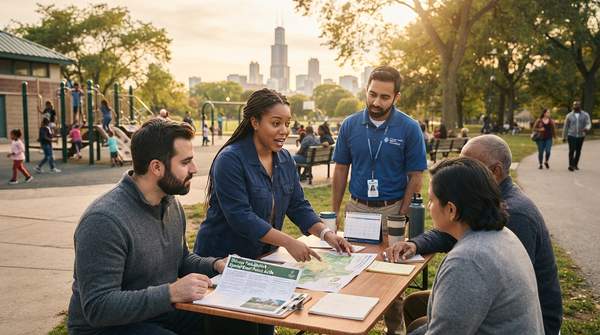
Maximizing participation at local events requires more than just posting a flyer; it demands thoughtful consideration of attendees' basic needs. I've learned that overlooking simple elements can significantly hinder engagement. For instance, providing food and child care at all events is a critical factor, as highlighted by Groundwork USA recommendations.
This insight reveals a critical oversight: communities are failing to unlock the full economic and social potential of local gatherings by neglecting the most basic needs of potential participants. When families struggle to find childcare or affordable food options, their ability to participate drops significantly. This directly impacts attendance and, by extension, the economic activity generated.