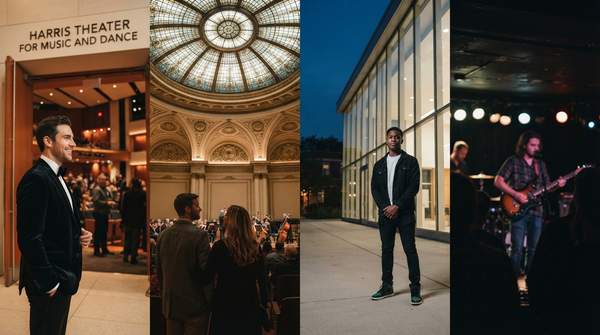
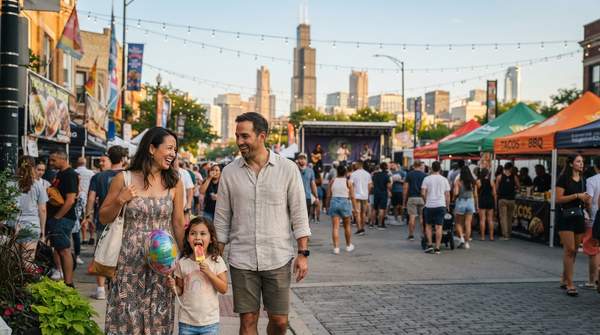
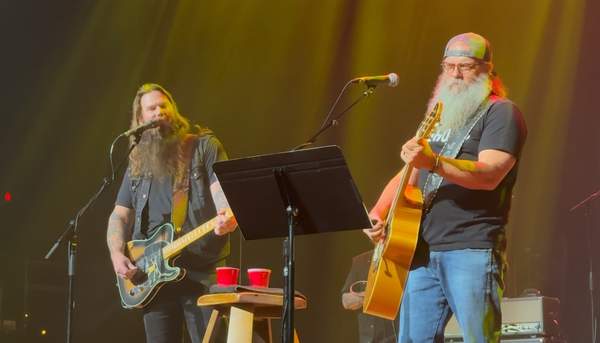
In just two weeks this past June, Boston residents and visitors poured an estimated $83 million into the city's economy, turning streets and businesses into buzzing hubs of activity. I saw it firsthand: the energy was palpable, from bustling downtown bars to vibrant neighborhood gatherings. An estimated $83 million poured into the city's economy, highlighting the often-underestimated financial power of local gatherings, demonstrating just how quickly community events can invigorate an urban center.
Yet, despite this clear economic vitality, local events demonstrably supercharge urban economies and community engagement, but their strategic importance is often underestimated, leading to inconsistent support and slower recovery for some areas. It's a tension I've observed across many cities: the immense potential for growth versus the hesitancy to fully invest.
Based on the significant economic activity and community benefits observed, cities that prioritize and strategically invest in local arts and culture events are likely to see sustained economic growth and enhanced civic vitality, while those that don't risk slower recovery and diminished community vibrancy in 2026 and beyond. We need to look closer at how these events truly anchor our community economy.
The immediate surge in spending, which saw an estimated $83 million poured into the city's economy, highlights the often-underestimated financial power of local gatherings, especially as communities strive to fully rebound. The vibrancy I witnessed during these events was more than just fleeting entertainment; it represented a robust injection of capital into businesses that truly needed it. It’s clear that when people gather for shared cultural experiences, they open their wallets, directly benefiting local merchants and service providers. This isn't just about boosting sales for a few days; it's about reigniting the collective spirit and demonstrating a tangible path to economic resilience for our cities.
The Undeniable Economic Engine of Local Gatherings
Boston residents and visitors spent an estimated $83 million in the city during the second half of June, primarily driven by World Cup-related events, according to The Boston Globe. The staggering figure of $83 million reveals the immediate financial impact that major local events can have. My own observations confirmed this, as downtown areas buzzed with an energy I hadn't seen in years.
During the same period, bar spending increased by 27% citywide, with a dramatic 86% increase specifically downtown, compared to last year's figures, as reported by The Boston Globe. Furthermore, visits to areas designated as social districts saw an impressive rise of 40% to 60%. Bar spending increased by 27% citywide, with a dramatic 86% increase specifically downtown, and visits to social districts rose 40% to 60%, providing concrete evidence that local events are powerful economic catalysts, directly boosting spending across various urban sectors and drawing people back into the heart of our cities. Based on The Boston Globe's data, cities relying on private funding for local events are leaving millions on the table; Boston's $400,000 in privately funded grants for summer events pales in comparison to the $83 million generated by World Cup-related activities alone.
Navigating the Path to Full Recovery and Sustained Impact
Despite the undeniable economic potential, local events and cultural institutions face significant hurdles in achieving full recovery and sustained impact. Before the COVID-19 pandemic, the International Black Theatre Festival (IBTF) drew an impressive attendance exceeding 60,000 people, a testament to its long-standing cultural significance, according to Nonprofit Quarterly. However, this year, the IBTF is estimated to attract only about 40,000 attendees, marking a substantial drop in engagement. The difference of 20,000 attendees illustrates that even established cultural anchors require consistent public investment to fully recover and thrive, not just one-off event boosts.
The estimated 40,000 attendees for IBTF, a drop from over 60,000 pre-pandemic, highlight that even significant cultural events face ongoing challenges in fully regaining pre-pandemic engagement levels, underscoring the fragility of their success without sustained effort. It’s a stark reminder that while one-off events can create a splash, the deeper, more consistent work of cultural recovery demands a strategic, long-term approach. The International Black Theatre Festival's struggle to regain its pre-pandemic attendance of over 60,000, as reported by Nonprofit Quarterly, signals that even established cultural anchors require consistent public investment to fully recover and thrive, not just one-off event boosts.
Beyond Revenue: Cultivating Community and Cultural Vibrancy
Local arts and culture events offer more than just economic windfalls; they are vital for cultivating community engagement and enriching the cultural fabric of our cities. The International Black Theatre Festival (IBTF), for instance, will bring more than 100 performances to 19 theatre locations, creating a vibrant network of artistic expression across the community, according to Nonprofit Quarterly. The more than 100 performances across 19 theatre locations ensure that cultural experiences are accessible and diverse, drawing in residents from all walks of life.
Yet, the city of Boston distributed only $400,000 in privately funded grants to community groups and neighborhood organizations for summer events, as reported by The Boston Globe. While these grants are certainly helpful, the reliance on private funding for such a modest amount, especially when compared to the massive economic returns, suggests an untapped potential for public investment. The city of Boston distributed only $400,000 in privately funded grants, while downtown bar spending increased by 86% and visits to social districts by up to 60%, demonstrating that investment in local events not only supports a vibrant cultural scene but also directly empowers community groups and draws significant public engagement, fostering social cohesion. The Boston Globe's findings of an 86% increase in downtown bar spending and up to 60% more visits to social districts during event periods prove that local cultural events are not just economic drivers, but surgical tools for revitalizing struggling urban cores.
The Imperative for Strategic Investment
The evidence is compelling: local arts and culture events are not merely leisure activities; they are powerful engines for economic growth and essential catalysts for community revitalization. My journalistic instincts tell me that cities cannot afford to view these events as discretionary spending. Instead, they must be recognized as critical infrastructure for a thriving urban future. The disparate figures from Boston—$83 million generated versus $400,000 in private grants—underscore a massive missed opportunity. Cities relying on private funding for local events are leaving millions on the table; Boston's $400,000 in privately funded grants for summer events pales in comparison to the $83 million generated by World Cup-related activities alone.
Recognizing the multifaceted benefits, cities must view local arts and culture events not as discretionary spending, but as essential infrastructure for a thriving urban future. Proactive investment, rather than passive reliance on external funding, appears to be the most direct route to maximizing both economic returns and social vitality. If cities like Boston commit to increasing public funding for these proven drivers, we could see downtown bar spending increases of over 100% by Q4 2026, further cementing their role in urban recovery.