Chicago's winter doesn't shut down its cultural life—it concentrates it indoors. The city's major institutions divide cleanly by interest: world-class art downtown, natural history on the lakefront, hands-on science for families, and a free downtown cultural center with rotating programming. This guide compares the venues themselves, not their temporary events, so you can match a destination to what you actually want to see on a cold afternoon.
Discover Chicago's Winter Cultural Gems
When the temperature drops, the question isn't whether Chicago has indoor options—it's which one deserves your afternoon. The city's cultural heavyweights each occupy a distinct lane. A winter-activities guide published by the Chicago Cubs sums up the landscape simply: downtown, the Art Institute of Chicago showcases world-class collections, while the Griffin Museum of Science and Industry offers interactive exhibits perfect for families. On the lakefront, the Museum Campus clusters three institutions within walking distance of one another. That division of labor—art, science, natural history, and free civic programming—is the framework for everything below.
Chicago's Museum Campus: A Winter Wonderland Cluster
The Museum Campus is the single most efficient choice for a winter outing, because the Field Museum, Adler Planetarium, and Shedd Aquarium sit together on the lakefront east of Lake Shore Drive. The Field Museum's own directions page confirms it sits "in the heart of Chicago's Museum Campus" at 1400 South DuSable Lake Shore Drive, reachable by car, public transportation, or bike. That proximity means you can pair a morning of natural history with an afternoon at the aquarium or planetarium without a second transit leg—a real advantage when the wind is whipping off Lake Michigan.
Getting there is straightforward. The Chicago Transit Authority's museum guide directs riders to exit the Red Line subway or the Green and Orange elevated lines at Roosevelt and board bus 146 east to the Museum Campus; the 146 is also accessible from the Orange, Brown, and Purple Line Express trains at Library-State/Van Buren. One caveat on driving: the Field Museum notes that all campus parking is owned by the Chicago Park District and managed by Standard Parking, and availability and pricing shift with events at nearby Soldier Field—so check ahead before you go.
Comparing Chicago's Top Indoor Cultural Institutions
Here is the at-a-glance comparison. The "best for" column is inferred from each institution's stated focus, so treat it as a starting point rather than a verdict.
Chicago's Cultural Institutions at a Glance
| Institution | Primary Focus | Best For... | Key Highlight |
|---|---|---|---|
| Art Institute of Chicago | Fine art, world-class collections | Art enthusiasts wanting depth and range | World-class collections in a downtown location |
| Field Museum | Natural history | Visitors interested in natural history and scientific exploration | Heart of the Museum Campus, steps from two other venues |
| Adler Planetarium | Astronomy and space science | Stargazers and space-curious visitors | Lakefront campus location shared with the Field Museum and Shedd |
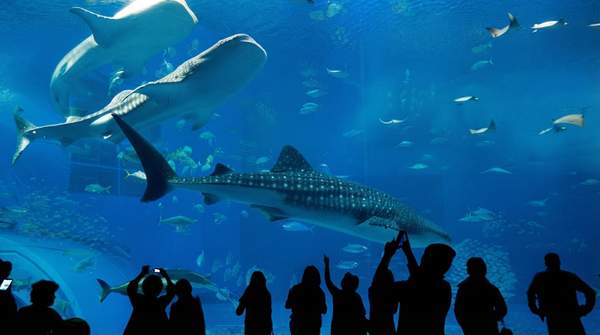
| Shedd Aquarium | Aquatic life and oceanarium exhibits | Families and marine-life fans | Same walkable Museum Campus cluster |
| Museum of Science and Industry | Interactive science exhibits | Families and hands-on learners | Interactive exhibits described as perfect for families |
| Chicago Cultural Center | Free art, music, and dance programming | Budget-conscious visitors and locals | Free admission in a landmark downtown building |
The pattern that emerges: the campus venues reward a multi-stop day, while the Art Institute, the Museum of Science and Industry, and the Cultural Center each justify a dedicated trip of their own.
Art Institute of Chicago: A World of Masterpieces
If your winter afternoon is about depth over variety, the Art Institute is the anchor choice. It sits downtown, separate from the Museum Campus, which makes it the natural pick when you want a single immersive destination rather than a multi-venue circuit. The Cubs' winter guide characterizes its collections as world-class, and that reputation is the institution's core draw: this is where you go to linger in front of significant works rather than move through interactive stations. For a visitor whose interest is fine art specifically, no other venue on this list competes on that dimension.
Field Museum: Journey Through Natural History
The Field Museum is the campus's anchor for natural history, and the CTA's own museum guide lists it by its full name—the Field Museum of Natural History—making its subject matter unmistakable. Its winter advantage is logistical as much as intellectual: because the Adler Planetarium and Shedd Aquarium share the same lakefront grounds, a Field Museum visit can expand into a two- or three-venue day without renegotiating transit. The trade-off is the shared parking situation described above—convenient, but event-dependent—so transit riders who follow the Roosevelt-and-bus-146 route may find their day simpler than drivers do.
Griffin Museum of Science and Industry: Hands-On Exploration
The Museum of Science and Industry fills the role the other venues don't: participation. Where the Art Institute asks you to look and the Field Museum asks you to observe, MSI's exhibits are built to be handled, which is why the Cubs' guide singles it out as perfect for families. That makes it the strongest choice for winter visitors traveling with children whose patience for quiet galleries runs short. It stands apart from the Museum Campus geographically, so plan it as its own outing rather than a campus add-on.
Choosing Your Winter Cultural Escape
Select a Chicago cultural institution for your winter visit based on your specific interests in art, natural history, science, or free diverse programming, considering the convenience of the Museum Campus for multi-venue visits. The decision logic is simple: fine art points downtown to the Art Institute; natural history, astronomy, and marine life point to the campus cluster; hands-on family learning points to the Museum of Science and Industry; and a free, programming-rich downtown stop points to the Chicago Cultural Center. One boundary to keep in mind: this guide covers the major institutions only, and it does not track current special exhibits, hours, or admission prices—verify those on each institution's official website before you leave. Your measurable indicator of a plan well made is a confirmed itinerary for a winter cultural outing, including selected institutions and planned transit or parking.