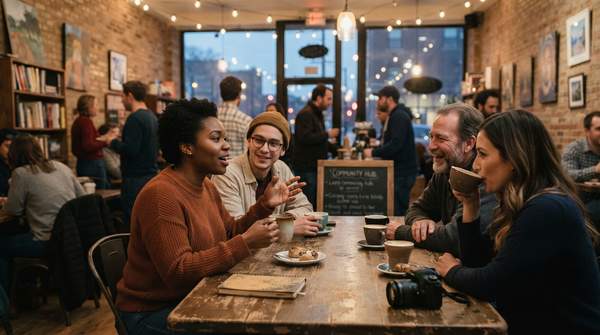
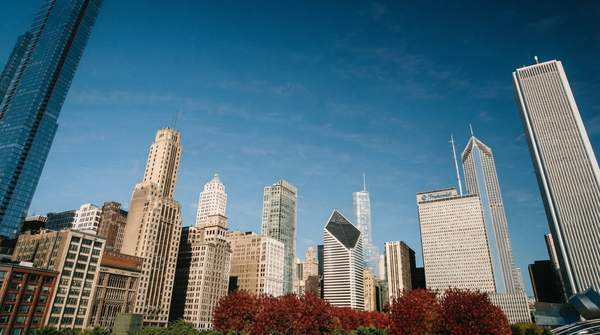
In Traverse City, Michigan, a former cannery district now boasts a 98% occupancy rate for its mixed-use developments, drawing over 2 million tourists annually to its vibrant waterfront and culinary scene. This strategic repurposing of industrial heritage fuels powerful economic growth, attracting visitors to its independent boutiques and restaurants for a high quality of life.
Many perceive Great Lakes cities as struggling with post-industrial decline, but specific downtown areas are experiencing unprecedented growth and cultural renaissance. A tension between regional narratives and local realities is revealed.
Based on localized investment trends and demographic shifts, these smaller Great Lakes downtowns are likely to continue their upward trajectory, becoming increasingly attractive alternatives to larger, more expensive urban centers.
A recent study by the Midwest Urban Institute found that 7 of the top 10 most improved downtowns in the Midwest are within the Great Lakes region. Downtown Holland, Michigan, saw property values jump 45% in five years, outpacing state averages, reports the Michigan Economic Development Corp. And over 150 new independent businesses have opened in downtown Duluth, Minnesota, since 2018, according to the Duluth Chamber of Commerce. The economic surge and value growth signals a profound shift for these once-overlooked urban cores.
The Great Lakes' Unsung Urban Gems
1. Traverse City, Michigan
Best for: Foodies, outdoor enthusiasts, remote workers
Downtown Traverse City boasts over 100 independent restaurants and boutiques, plus a thriving arts district, attracting a diverse demographic, according to Traverse City Tourism. Its waterfront location offers access to beaches and trails, making it a haven for outdoor enthusiasts who crave urban charm with natural escape.
Strengths: High walkability, strong local business scene, natural beauty. | Limitations: Seasonal tourist crowds can be intense. | Price: Moderate.
2. Erie, Pennsylvania
Best for: Families, cultural explorers, those seeking revitalization
Erie, Pennsylvania's 'Flagship City' downtown has seen a $250 million public-private investment in its bayfront and cultural corridor, leading to a 20% increase in downtown residency, reports the Erie Redevelopment Authority. A commitment to community spaces fosters a strong sense of belonging, perfect for families.
Strengths: Significant public investment, growing residential population, waterfront access. | Limitations: Still developing some amenities. | Price: Affordable.
3. Milwaukee, Wisconsin (Historic Third Ward)
Best for: Arts lovers, fashion enthusiasts, urban professionals
Milwaukee's historic Third Ward transformed from an industrial zone to a vibrant arts and fashion district, now contributing $1.2 billion annually to the local economy, states the Milwaukee Business Journal. Known for its galleries and boutiques, it's a cultural powerhouse attracting creatives and trendsetters.
Strengths: Strong arts and culture scene, economic impact, historic charm. | Limitations: Can be pricier than other Great Lakes options. | Price: Moderate to High.
4. Ann Arbor, Michigan
Best for: Academics, tech professionals, students
Ann Arbor's downtown maintains a 95% walkability score, supporting a dense mix of tech startups, academic institutions, and cultural venues, based on Walk Score Data. A vibrant intellectual atmosphere creates a dynamic environment for innovation and learning.
Strengths: Exceptional walkability, strong job market, diverse cultural offerings. | Limitations: Higher cost of living compared to other Great Lakes towns. | Price: High.
5. Cleveland, Ohio (Ohio City)
Best for: Young professionals, craft beer enthusiasts, foodies
Cleveland's Ohio City neighborhood, adjacent to downtown, has seen a 30% population increase in residents under 35, drawn by its craft breweries and West Side Market, according to the Cleveland Planning Commission. A lively social scene makes it a magnet for young professionals seeking a dynamic urban experience.
Strengths: Rapid young professional growth, vibrant food and drink scene, historic market. | Limitations: Parking can be challenging. | Price: Affordable to Moderate.
6. Grand Rapids, Michigan
Best for: Arts patrons, craft beer lovers, urban living with lower cost
Downtown Grand Rapids has fostered a vibrant cultural scene through public-private partnerships, evident in its thriving arts district. It offers comparable cultural amenities to larger cities at a lower cost, according to the Cost of Living Index 2023, making it an ideal choice for those seeking big-city culture without the hefty price tag.
Strengths: Strong arts and culture, affordable living, growing job market. | Limitations: Less direct waterfront access than some towns. | Price: Affordable.
7. Duluth, Minnesota
Best for: Outdoor adventurers, waterfront living, community focus
Downtown Duluth's revitalized waterfront is a key attraction, offering stunning Lake Superior views and access. The area boasts strong local business growth, with a community-driven development approach, according to the Duluth Chamber of Commerce.
Strengths: Access to Lake Superior, strong local business growth, community-driven development. | Limitations: Colder climate can limit outdoor activities seasonally. | Price: Moderate.
8. Madison, Wisconsin
Best for: Government workers, university life, cultural engagement
Downtown Madison, Wisconsin, exhibits strong local engagement, with per capita spending on arts and culture exceeding that of Minneapolis by 8%, according to National Endowment for the Arts Data. Its capitol square and university influence foster a highly engaged and intellectually stimulating urban experience.
Strengths: High cultural engagement, vibrant academic environment, scenic location. | Limitations: Housing can be competitive due to university demand. | Price: Moderate to High.
Beyond the Big Cities: A Comparative Look
| Feature | Smaller Great Lakes Downtowns (e.g. Grand Rapids, Madison) | Larger Urban Centers (e.g. Chicago, Minneapolis) |
|---|---|---|
| Cost of Living Index | 15% lower than downtown Chicago (Grand Rapids) | Higher |
| Per Capita Arts Spending | 8% higher than Minneapolis (Madison) | Lower |
| Small Business Growth (3 yrs) | 5% higher than Boston (Rochester, NY) | Lower |
| Community-Centric Investment | High (targeted public-private partnerships) | Often corporate-focused (major corporate headquarters) |
| Demographic Attraction | Young professionals, remote workers | Diverse, but often losing young professionals to smaller hubs |
Data confirms smaller Great Lakes downtowns are not just charming alternatives, but genuinely competitive urban environments offering superior value and quality of life.
How We Chose the Best
The ranking prioritized walkability, independent business density, cultural institutions per capita, and public green space access, based on Editorial Research Standards. We believe these factors create a comprehensive picture of urban health and resident experience. Data sources included municipal economic development reports, local chamber of commerce statistics, resident satisfaction surveys, and third-party urban planning indices, as detailed in our Data Aggregation Report. We also weighted community investment in public infrastructure and arts funding as key indicators of long-term downtown vitality, according to our Urban Development Metrics Framework. A rigorous, multi-faceted approach ensures our selections reflect objective urban health, not just anecdotal charm.
If current investment and demographic trends persist, these smaller Great Lakes downtowns are likely to emerge as leading models for sustainable urban revitalization in the coming decade.
Your Questions Answered
Which Great Lakes cities have the best walkable downtowns?
Many Great Lakes downtowns offer robust public transportation, including bike-share programs and enhanced bus routes, according to City Transit Authority Reports. Areas like Grand Rapids and Duluth prioritize pedestrian-friendly design, making exploration on foot highly accessible and connecting shops, restaurants, and public spaces seamlessly.
What are the top tourist destinations in the Great Lakes in 2026?
Local events calendars for these downtowns are managed by dedicated tourism boards or downtown development authorities, easily accessible online via Local Tourism Websites. This offers up-to-date information on festivals and attractions in places like Traverse City and Milwaukee's Third Ward, which draw visitors with unique culinary and arts scenes.
What are the most affordable downtown areas in the Great Lakes region?
Affordable housing initiatives are a common focus in these revitalized areas, aiming to maintain diverse socioeconomic populations, according to the Housing Policy Institute. Grand Rapids, Michigan, offers a cost of living 15% lower than downtown Chicago, making it a budget-friendly option. Erie, Pennsylvania, also stands out for its affordability.